
The global tech industry is entering what many are now calling the “RAMageddon” — a prolonged memory shortage that is driving up prices across PCs, servers, GPUs, and consumer electronics. And according to Lenovo, this is not a temporary spike.
At the International Supercomputing Conference (ISC 2026), a Lenovo executive delivered a stark warning that quickly caught the attention of hardware enthusiasts and industry professionals alike:
“It will never be like it was last year.”
While the comment was reportedly made with a hint of irony, the message behind it was clear: the era of cheap DRAM and NAND memory is over, and the industry should prepare for a permanently different pricing landscape.
A “RAMageddon” Reshaping the Tech Industry
The term “RAMageddon” has been used by analysts and enthusiasts to describe the ongoing global memory crunch affecting nearly every segment of the technology market.
From gaming PCs to enterprise servers, the availability of DRAM and NAND flash memory has tightened significantly. Prices have risen sharply, and relief is not expected anytime soon.
According to industry reports, the root cause of the shortage is not a production failure — but a demand explosion driven by artificial intelligence infrastructure.
AI Demand Is Absorbing Global Memory Supply
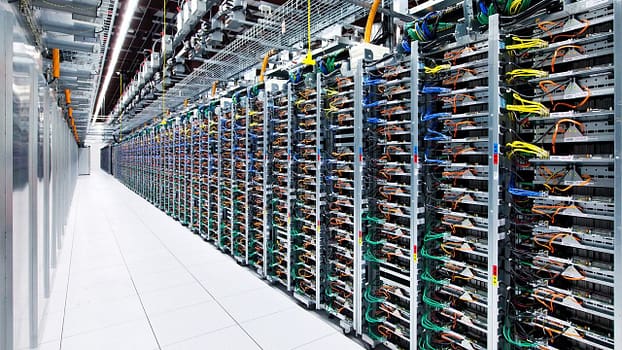
One of the most significant factors behind the shortage is the massive expansion of AI data centers.
Hyperscale companies are purchasing enormous quantities of memory to support large-scale AI training and inference workloads. This has created a structural imbalance where supply is no longer keeping up with demand.
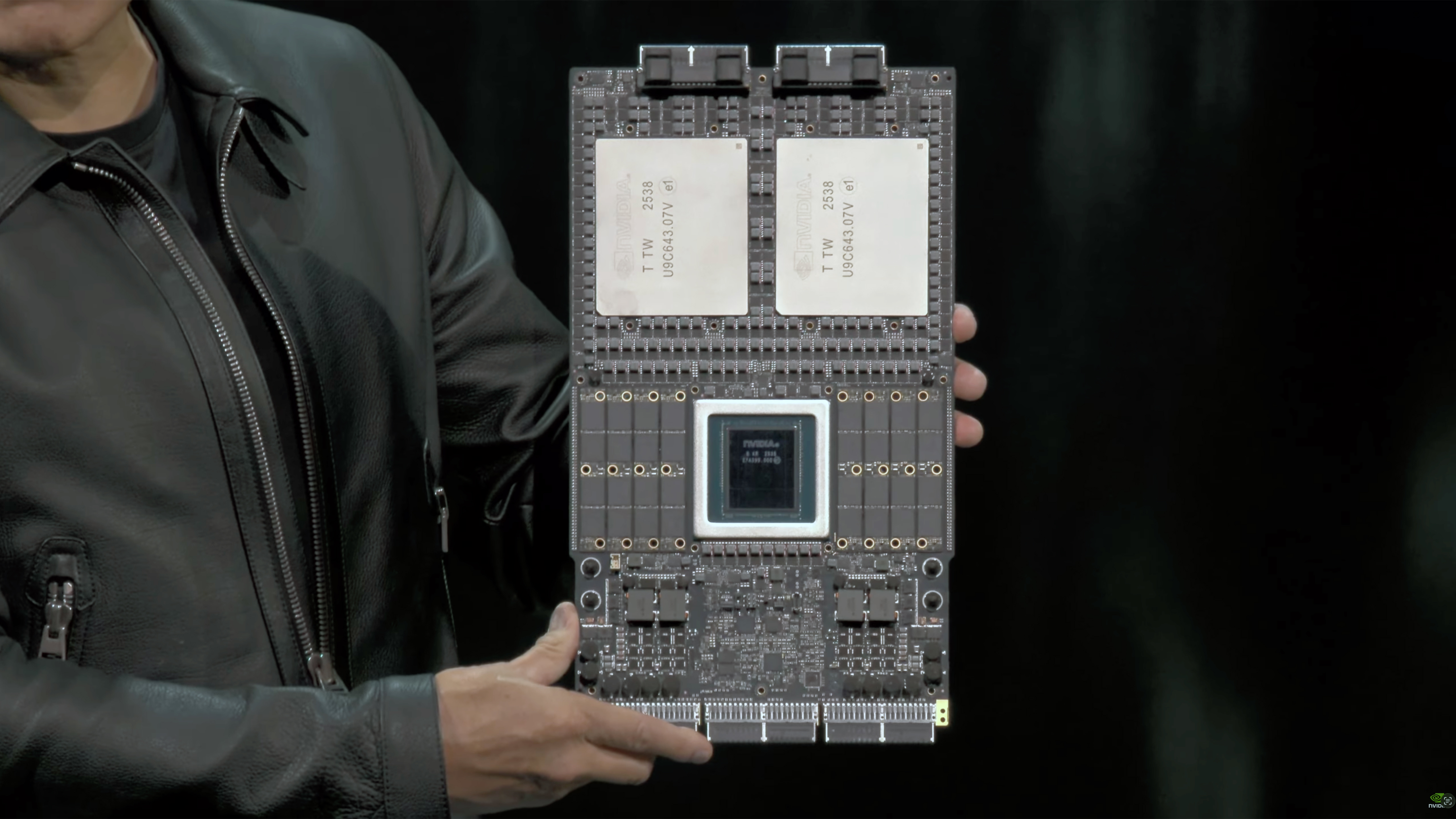
Manufacturers are prioritizing high-margin HBM (High Bandwidth Memory) used in AI accelerators, reducing production capacity for traditional DDR5 and NAND flash memory used in consumer and enterprise systems.
As a result, even as production increases, most of the new supply is being absorbed before it reaches the consumer market.
Lenovo’s Long-Term Outlook: A Permanent Shift
During its ISC 2026 presentation, Lenovo outlined a long-term view of the memory market that surprised many observers.
The company suggested that:
- Memory prices in early 2025 were unusually low
- The current price surge reflects a structural change
- New manufacturing capacity expected around 2028 may not be enough
- AI demand will continue to absorb additional supply
In short, Lenovo’s position is that the memory market has entered a new normal, where prices are unlikely to return to previous lows.
Why the Memory Market Has Changed Forever
Several long-term factors are reshaping the industry:
1. AI Infrastructure Growth
AI data centers require massive memory bandwidth, driving unprecedented demand for DRAM and HBM.
2. Shift to High-Margin Production
Memory manufacturers are prioritizing AI-focused products over consumer RAM.
3. Limited Fabrication Expansion
New semiconductor fabs take years to build, limiting short-term supply growth.
4. Long-Term Supply Contracts
Hyperscalers are locking in multi-year memory agreements worth tens of billions of dollars.
Together, these factors suggest a structural rather than cyclical change in the memory industry.
Impact on Consumers and the PC Market
The RAM shortage is already being felt across multiple sectors:
- Gaming PCs are becoming more expensive to build
- Laptop configurations are shifting toward lower default memory
- Server systems now require significantly higher investment
- SSD and storage prices are also under pressure
In some cases, memory now represents a much larger portion of total system cost than it did just a few years ago.
The “5-Step RAMageddon Survival Guide” (Industry Reality)
While Lenovo’s internal slide jokingly referred to a “survival guide,” the industry is already adapting to the new reality:
- Buy memory earlier rather than later to avoid price increases
- Optimize workloads for GPU memory (HBM) instead of system RAM
- Shift toward AI-optimized computing architectures
- Expect tighter hardware configurations in consumer devices
- Plan for long-term elevated pricing through 2028–2030
These adjustments reflect a broader transformation in how computing systems are designed and deployed.
Will RAM Prices Ever Go Down Again?
Historically, the memory market has followed cycles of oversupply and price crashes. However, many analysts now believe this cycle is different.
Even with new production capacity expected in the coming years, demand from AI infrastructure is projected to remain extremely high.
As a result, the industry may not return to the “cheap RAM” era of the past decade. Instead, it is likely establishing a new pricing baseline that remains elevated long-term.
Conclusion: A Structural Reset, Not a Temporary Crisis
Lenovo’s warning at ISC 2026 reflects a growing consensus across the semiconductor industry:
The memory market is no longer driven purely by cycles — it is being reshaped by artificial intelligence.
For consumers, gamers, and IT professionals, this means adapting to a new environment where memory is no longer cheap, abundant, or predictable.
The RAMageddon, it seems, is not a storm passing through.
It is the new climate of computing.