


Imagine waking up one morning to find that your GPS isn’t working, internet connections are unstable, and parts of the electrical grid have gone offline. It may sound like science fiction, but scientists have long warned that an extreme solar storm could create exactly these kinds of problems.
Fortunately, such events are uncommon. However, as modern society becomes increasingly dependent on satellites, cloud computing, and global communications, understanding the risks has never been more important.
What Is a Solar Storm?
A solar storm is a disturbance caused by activity on the Sun. During periods of intense magnetic activity, the Sun can release enormous amounts of energy and charged particles into space.
When these particles travel toward Earth, they interact with our planet’s magnetic field, producing what scientists call geomagnetic storms.
Not every solar event reaches Earth, and not every event causes disruption. The impact depends on factors such as the strength of the eruption, its direction, and Earth’s magnetic conditions.

Why Do Solar Storms Matter?
Earth’s magnetic field protects us from much of the harmful radiation coming from space. However, powerful solar storms can temporarily disturb that protective shield.
These disturbances may affect technologies that rely on electricity, radio waves, or satellites.
Potentially affected systems include:
Electrical power grids
GPS navigation
Communication satellites
Aviation systems
Radio communications
Spacecraft
Global internet infrastructure
How Can Power Grids Be Affected?
Large power grids are among the most vulnerable systems during severe geomagnetic storms.
Rapid changes in Earth’s magnetic field can induce electrical currents in long transmission lines. These unexpected currents may overload transformers and other critical equipment.
Possible consequences include:
Regional blackouts
Damaged transformers
Voltage instability
Long repair times for critical infrastructure
Power companies in many countries monitor space weather forecasts to prepare for significant solar activity.
Did you know? Some electrical transformers are custom-built and may require months to replace if seriously damaged.

Image: arturnichiporenko / Shutterstock
Can Solar Storms Damage Satellites?
Yes.
Satellites operate outside much of Earth’s atmosphere, making them more exposed to energetic particles released by the Sun.
Strong solar activity may lead to:
Temporary electronic glitches
Navigation errors
Communication interruptions
Increased atmospheric drag for low-Earth orbit satellites
Reduced satellite lifespan
Satellite operators often place spacecraft into protective operating modes when significant space weather is expected.
Why GPS Accuracy Can Decrease
GPS relies on extremely precise timing signals transmitted by satellites.
Solar storms can disturb the upper atmosphere, altering the path of these signals before they reach receivers on Earth.
This may result in:
Navigation inaccuracies
Reduced positioning precision
Temporary service interruptions
Challenges for aviation and maritime navigation
Modern GPS systems are designed to recover quickly, but severe events can still reduce performance.
Could the Internet Go Offline?
The internet itself is highly decentralized, making a complete global outage unlikely.
However, some components of the worldwide network are more vulnerable than others.
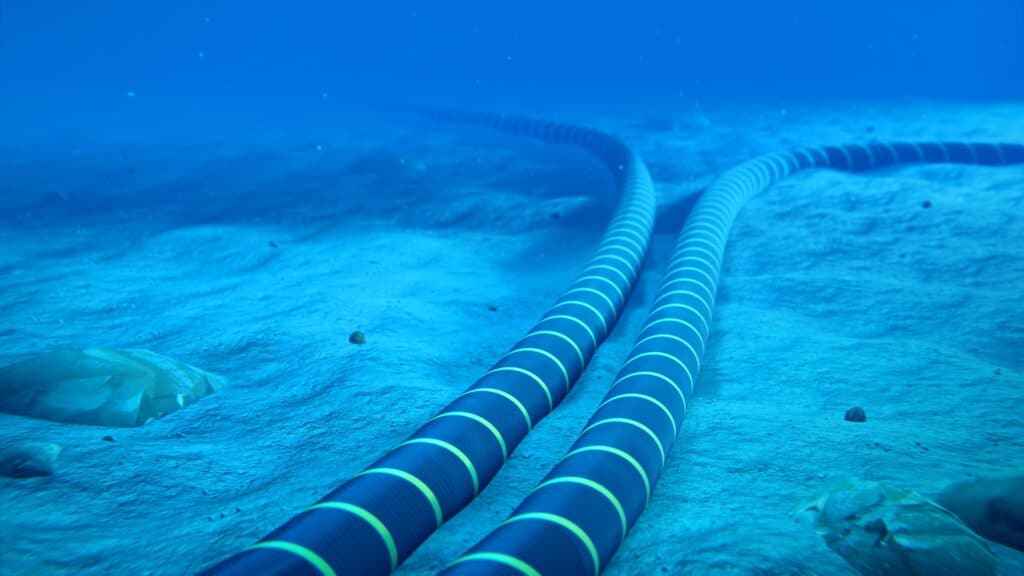
International communications depend heavily on thousands of kilometers of submarine fiber-optic cables. While the optical fibers themselves are generally resistant to geomagnetic effects, electronic equipment that amplifies signals along these routes could be affected during an extreme geomagnetic event.
If multiple critical systems experienced failures simultaneously, internet traffic between continents could slow down or become temporarily disrupted.
How Often Do Extreme Solar Storms Occur?
The Sun follows an approximately 11-year activity cycle.
Most solar storms are relatively small and have little impact on daily life.
Extremely powerful events are much less common, but history shows they can happen.
Scientists continue to study historical records and monitor the Sun continuously to improve forecasting and reduce potential risks.
Can Scientists Predict Solar Storms?
Yes—but not perfectly.
Space weather agencies monitor the Sun around the clock using satellites and ground-based observatories.
These observations allow experts to issue alerts ranging from several hours to a few days before the strongest geomagnetic effects reach Earth.
Early warnings give:
Satellite operators time to protect spacecraft
Power companies time to prepare electrical networks
Airlines opportunities to adjust certain flight operations
Space missions time to reduce operational risks
Should We Be Concerned?
There’s no reason for panic.
Most solar storms pass with little or no noticeable impact on everyday life.
Nevertheless, governments, researchers, and technology companies continue investing in better forecasting systems and more resilient infrastructure because our dependence on digital technology continues to grow.
Improving preparedness today helps reduce the consequences of future extreme space weather events.
Key Takeaways
Solar storms originate from intense magnetic activity on the Sun.
Powerful events can affect satellites, GPS, radio communications, and electrical grids.
The internet is resilient, but some international infrastructure could experience disruptions during extreme events.
Scientists monitor the Sun continuously to provide early warnings.
Extreme solar storms are rare but remain an important area of research.
Frequently Asked Questions
What is a solar storm?
A solar storm is a burst of energy and charged particles released by the Sun that can interact with Earth’s magnetic field.
Can a solar storm shut down the internet?
A complete global internet shutdown is considered unlikely, but severe solar storms could disrupt parts of the infrastructure that support international communications.
Are satellites protected against solar storms?
Most satellites are designed to withstand normal space weather, although very strong solar storms can still interfere with their operation.
How can I know when a solar storm is happening?
Space weather agencies regularly monitor solar activity and issue public alerts when significant geomagnetic storms are expected.
Share your thoughts! Do you think modern technology is prepared for a major solar storm? Let us know in the comments and follow ZOOTECH.COM for more practical technology insights.

