

SK Hynix Warns 2027 Will Be the Worst Year for Global Memory Shortage
The global memory crisis is nowhere near over—and the worst may still be ahead.
In comments shared following SK Hynix’s record-breaking Nasdaq debut (which raised $26.5 billion in the largest-ever foreign U.S. listing), CEO Kwak Noh-jung warned that 2027 will mark the worst supply shortage in memory industry history.
Furthermore, the company forecasts that consumer and AI demand will continue outstripping memory supply capacity well past 2030.
Here is a breakdown of why memory is bottlenecked, what the numbers look like, and what this means for hardware markets.
Why Is the RAM Shortage Escalating?
The fundamental driver behind the crunch is the explosive growth of generative AI and data center expansions.
The AI Memory Bottleneck:
├── High-Bandwidth Memory (HBM): Required for AI accelerators (e.g., Nvidia chipsets).
├── Wafer Cannibalization: HBM consumes far more wafer capacity than standard DDR5.
├── Production Reallocation: Memory fabs shift production away from consumer RAM to HBM.
└── Structural Deficit: Over 20% wafer shortage projected through 2030.
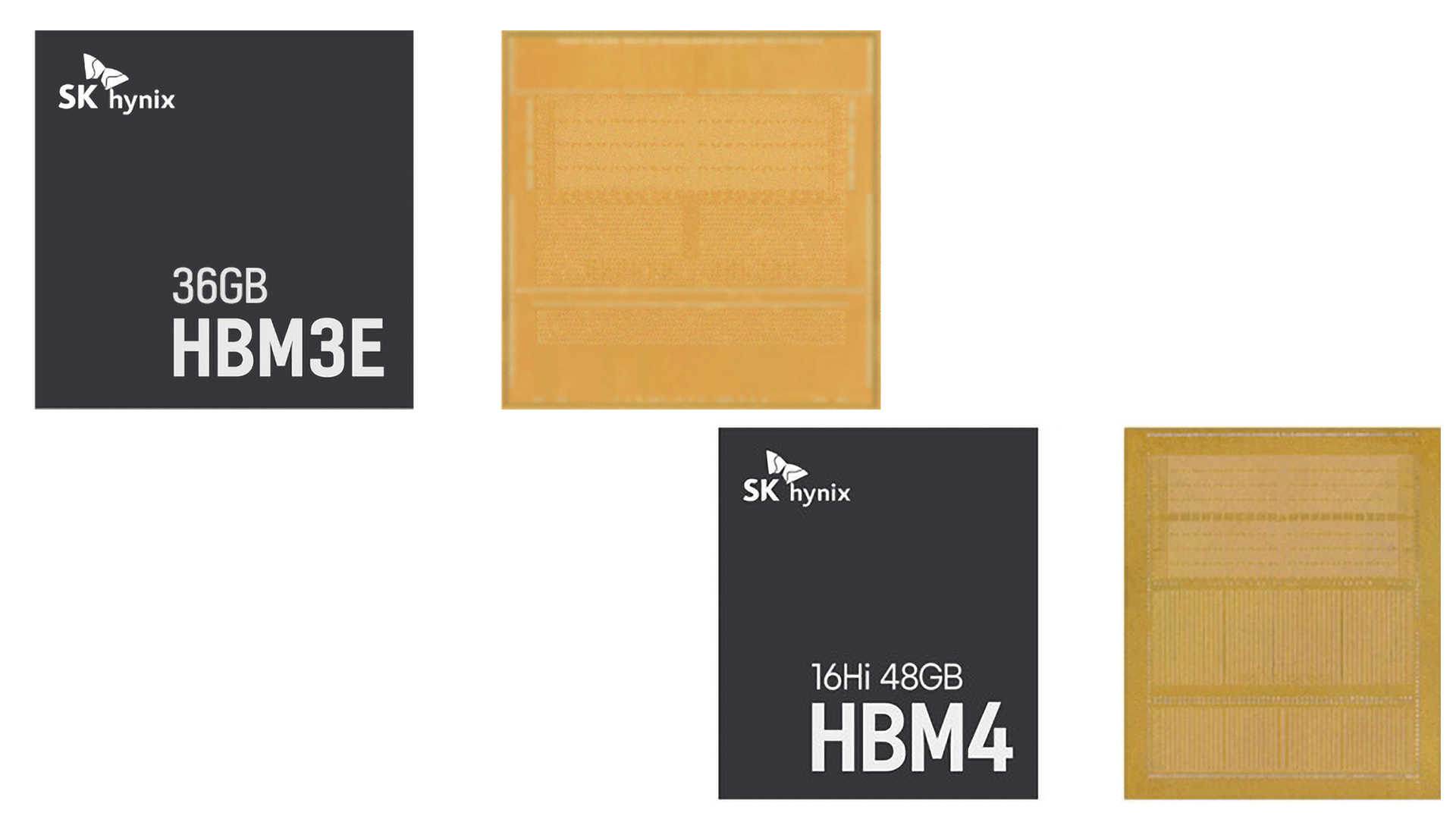
HBM Eats Up Wafer Capacity: Manufacturing High-Bandwidth Memory (HBM) relies on complex 3D stacking and advanced packaging. It consumes drastically more silicon wafer capacity per gigabyte than standard consumer DDR5.
Reallocated Supply: To meet lucrative AI demands from tech giants, major manufacturers like SK Hynix and Micron are shifting manufacturing lines to HBM, shrinking the available supply for traditional consumer RAM and PC hardware.
Capacity Constraints: SK Group Chairman Chey Tae-won noted a structural wafer deficit exceeding 20%, pointing out that expanding advanced fabrication facilities takes years, making an immediate fix impossible.
Industry Impact & Market Realities
| Metric / Event | Context |
| SK Hynix Nasdaq Debut | Raised $26.5B in the largest foreign U.S. IPO in history. |
| Peak Shortage Year | 2027 is projected as the tightest year for memory supply. |
| Duration of Crunch | Demand expected to exceed production capability past 2030. |
| Long-Term Agreements (LTAs) | Cloud providers are signing multi-year lock-in deals to secure RAM supply. |
 (Image credit: SK Hynix)
Is Price Relief Anywhere in Sight?
While short-term price spikes have slowed down slightly compared to earlier quarters, analysts agree that memory prices will remain significantly elevated. Major enterprise buyers are bypassing standard spot markets entirely—shifting toward multi-year Long-Term Supply Agreements (LTAs) to lock in price ceilings and guarantee allocations.
For individual consumers, PC builders, and enterprise IT buyers, high RAM and SSD pricing is shaping up to be the “new normal” for the remainder of the decade.

